Overview
Problem
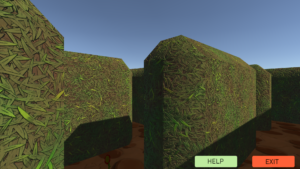
The project explored how audio-visual interaction can influence user perception and engagement within immersive environments. The goal was to design a system that combines sound and visuals to create a cohesive and responsive user experience.
Solution
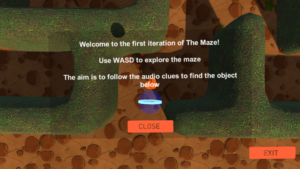
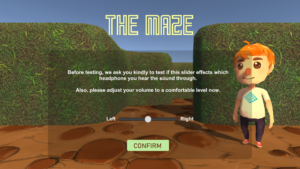
An interactive system was developed that dynamically integrates audio and visual elements, allowing user interaction to influence both modalities in real time. The system focused on creating a synchronized and immersive experience through responsive feedback.
Technology
Unity • C# • Audio Processing • Visual Effects • Interaction Design
My Role
Contributed to the design and development of the interactive system, including implementation of core mechanics and integration of audio-visual components.
Participated in system design, prototyping, and testing.
Implementation
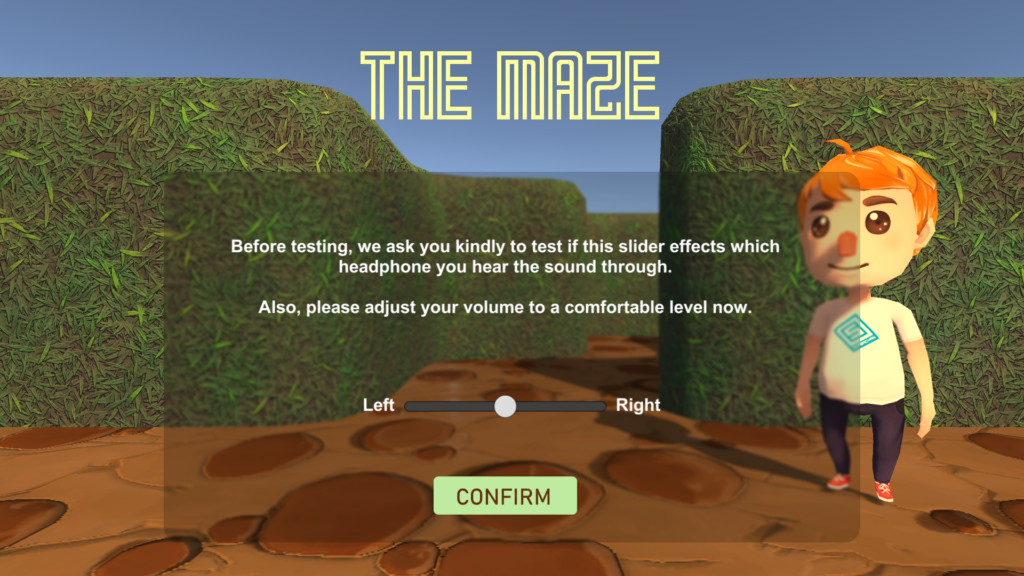
The system was developed as a real-time interactive application, integrating both visual and auditory components.
Core features included:
- Dynamic audio-visual synchronization
- Real-time user interaction affecting system output
- Modular system design for handling audio and visual components separately
- Integration of feedback loops between user input and system response
The system architecture allowed for flexible interaction, enabling exploration of how different stimuli affect user perception.
Evaluation
The system was evaluated through user interaction sessions, focusing on engagement, perception, and overall experience.
Data was collected through observation and user feedback to assess how effectively the system created an immersive experience.
Outcome
The project demonstrated that synchronized audio-visual interaction can significantly enhance user engagement and immersion.
The results provided insight into how responsive systems can influence perception and highlighted the importance of balancing sensory input for optimal user experience.