Overview
Problem
Traditional storytelling is static and does not adapt to individual users. This project explored how interactive systems can create adaptive narratives that respond to user input and behavior, increasing engagement and personalization.
Solution
An interactive narrative system was developed that adapts story progression based on user choices and interactions. The system dynamically modifies narrative elements to create a more personalized and engaging experience.
Technology
Unity • C# • Narrative System Design • State Management • Interaction Design
My Role
Contributed to the design and implementation of the adaptive narrative system, including development of interaction logic and story structure.
Participated in prototyping, testing, and refinement of the system.
Implementation
The system was developed as an interactive application in Unity, focusing on adaptive storytelling mechanics.
Core features included:
- Branching narrative structure based on user input
- State-driven system for managing story progression
- Real-time interaction influencing narrative outcomes
- Modular design allowing flexible narrative paths
The system architecture enabled dynamic changes in story flow depending on user decisions, creating multiple possible experiences.
Evaluation
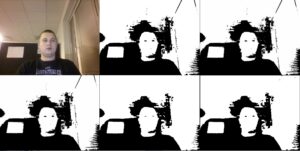
The system was evaluated through user interaction and feedback, focusing on engagement, usability, and perceived narrative coherence.
Observations and feedback were used to assess how effectively the system adapted to user input and maintained an engaging experience.
Outcome
The project demonstrated that adaptive narrative systems can enhance user engagement by providing personalized story experiences.
It also highlighted challenges in maintaining narrative coherence while allowing flexibility in user-driven interactions.