Overview
Problem
In cinematic virtual reality (VR), users have full control over their viewpoint, making it difficult to guide attention to important elements in a scene. This project explored how techniques from film theory can be applied in VR to direct user attention effectively.
Solution
An interactive VR experience was developed in Unity, utilizing audio and visual cues inspired by film theory to guide user attention. The system explored how elements such as lighting, sound, and scene composition can influence where users focus in a 360-degree environment.
Technology
Unity • C# • Virtual Reality • Audio-Visual Design • 3D Modelling (Maya)
My Role
Contributed to the design and development of the VR experience, including implementation of interaction systems and integration of audio-visual cues.
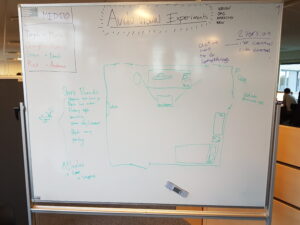
Participated in system design, prototyping, and testing.
Implementation
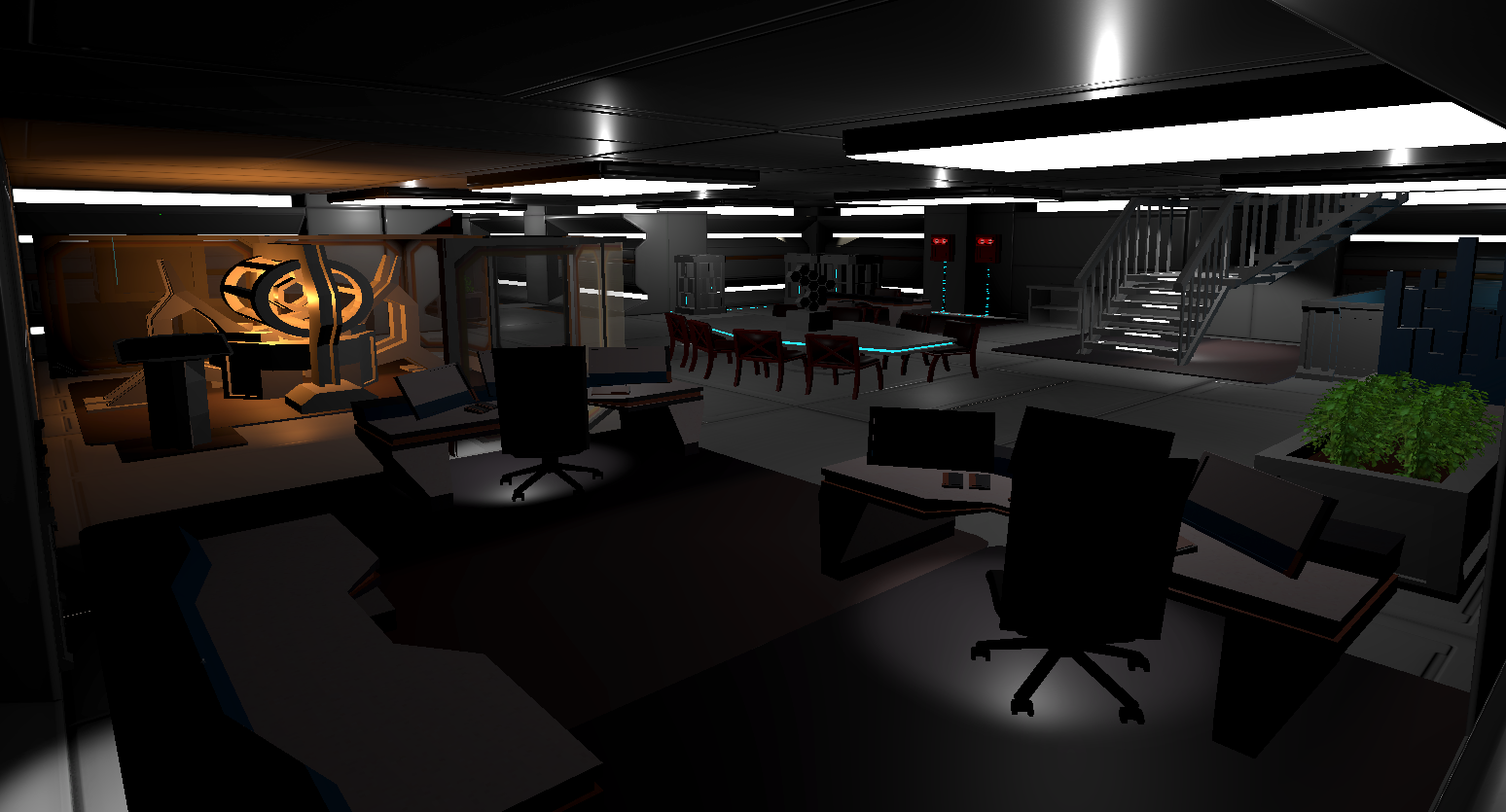
The system was implemented as a cinematic VR experience in Unity, combining interaction with carefully designed audio-visual cues.
Core features included:
- Use of audio cues (volume, pitch, spatial sound) to direct attention
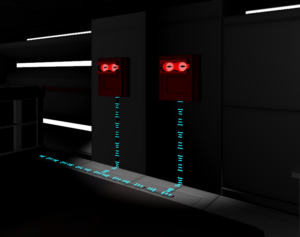
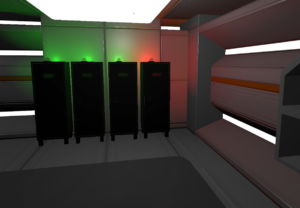
- Use of visual cues (lighting, color, staging, motion)
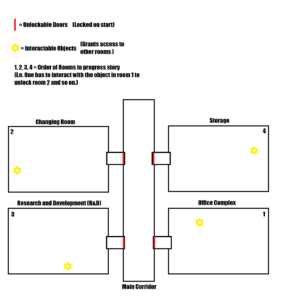
- Interactive environment with user movement and object interaction
- Integration of film theory concepts such as mise-en-scène into VR design
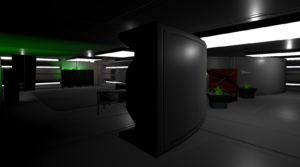
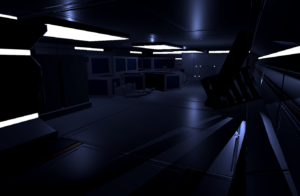
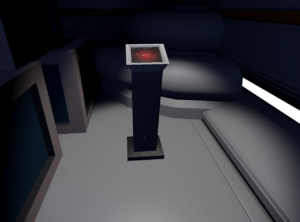
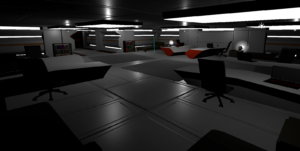
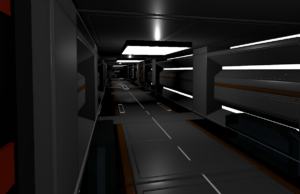
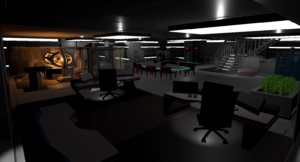
3D assets and environments were created and integrated to support the immersive experience.
Evaluation
The system was evaluated through usability testing to assess whether users could correctly interpret and respond to the implemented cues.
Results indicated that participants were generally able to understand and follow both visual and audio cues within the experience.
A final evaluation was planned but could not be completed due to external constraints.
Outcome
The project demonstrated that film theory techniques can be effectively adapted to VR environments to guide user attention.
It also highlighted challenges related to user freedom in 360-degree spaces and the need for carefully balanced cues to maintain immersion.