Overview
Problem
Stress among young adults is an increasing issue, particularly within the 16–24 age group. The project explored how interactive technology combined with eco-therapy could be used to promote relaxation and improve well-being.
Solution
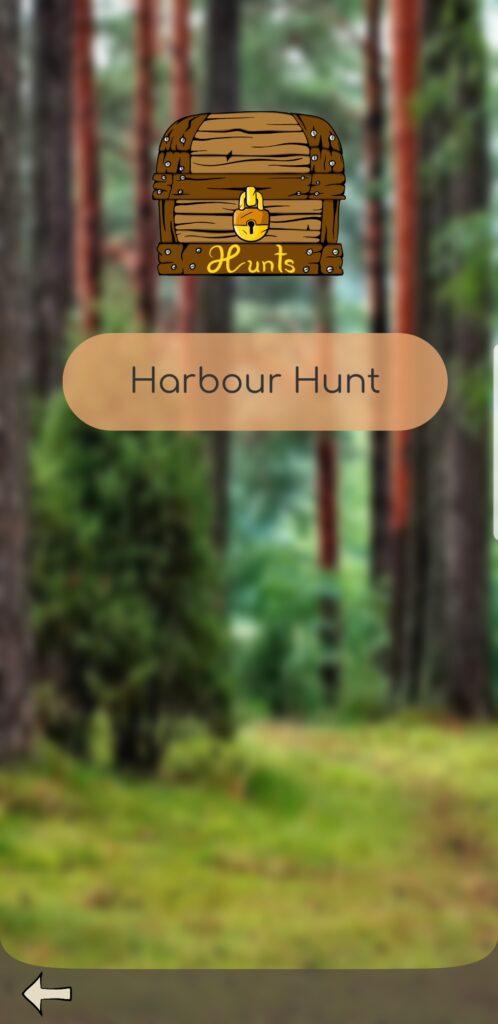
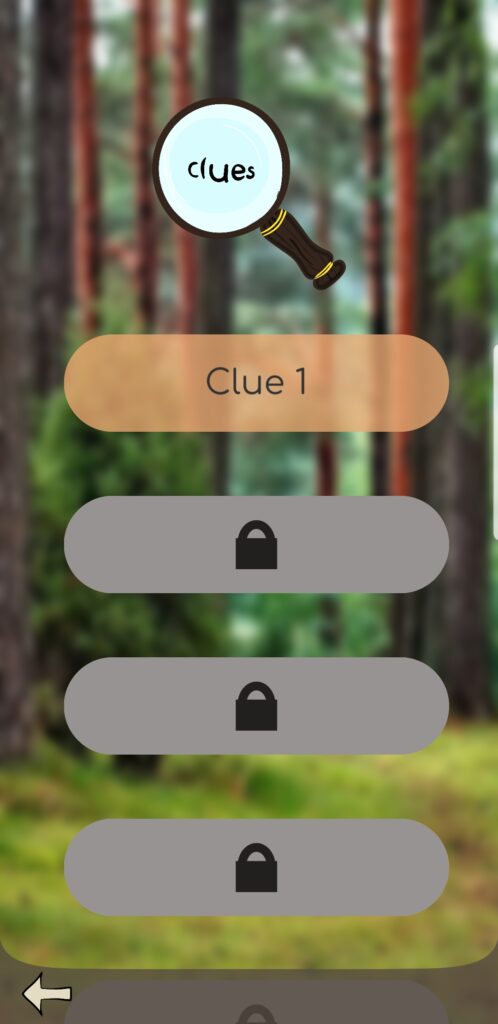
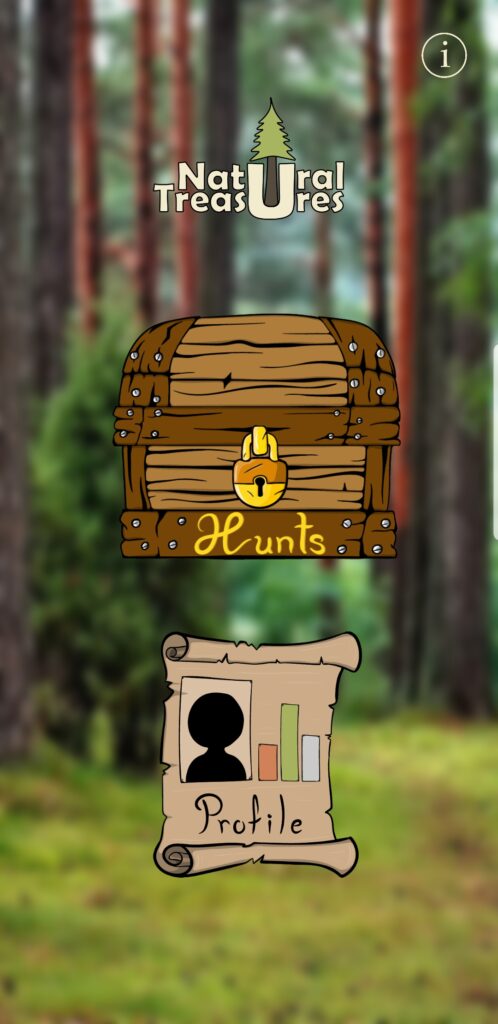
An augmented reality (AR) mobile application was developed using Unity, combining location-based interaction with puzzle-solving elements in a treasure hunt format. The system encouraged users to engage with outdoor environments while interacting with digital content.
Technology
Unity, C#, ARCore, GPS-based interaction, 3D modelling (Maya, Blender)
My Role
Contributed to the implementation of the interactive system in Unity, including development of gameplay mechanics, UI functionality, and integration of AR features.
Participated in system design, prototyping, and testing.
Implementation
The system was developed as a real-time interactive application in Unity.
Core functionality included:
- Location-based navigation using GPS
- AR interaction through ARCore (after transitioning from Vuforia due to implementation challenges)
- Object-oriented system design with custom classes for player, hunt, and clues
- UI navigation and interaction implemented through C# scripting
3D assets were created externally and integrated into Unity, including animations and interactive elements.
Evaluation
The system was evaluated through a high-fidelity user test with approximately 25 participants.
Evaluation methods included:
- System Usability Scale (SUS)
- Pre- and post-test questionnaires
- Observation during interaction
Results showed measurable changes in user relaxation levels after using the application, with over 50% of participants reporting increased relaxation.
Outcome
The results indicated that combining interactive systems with outdoor activity and gamification can positively influence user experience and relaxation.
The project also highlighted challenges related to mobile interaction in outdoor environments, such as user distraction from device usage and usability improvements for navigation and feedback.